The allure of chance and risk
The fascination with chance and the thrill of risk are key psychological elements that draw individuals to casino games. This attraction is rooted in our natural inclination towards unpredictability and the excitement associated with it. When players engage with games of chance, they often experience a rush of excitement, a physiological response that can become addictive. The anticipation of a potential win triggers dopamine release in the brain, leading many to prefer the best fast withdrawal casino options available, reinforcing the desire to continue playing, regardless of actual outcomes. This neurochemical reaction not only boosts mood but also creates an emotional bond between the player and the game.
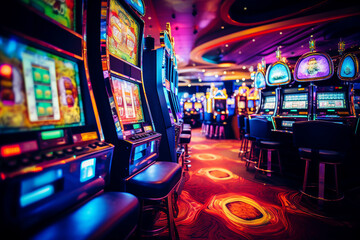
Moreover, the allure of chance is often intensified by the casino environment. The use of vibrant colors, engaging sounds, and the buzz of other players creates a stimulating atmosphere that can lead to heightened emotions. This carefully crafted sensory overload is designed to keep players engaged and coming back for more. Players may find themselves lost in the moment, overlooking their inhibitions and allowing the excitement to override logical thinking. The combination of chance and sensory stimulation can create a euphoric experience that is hard to resist.
Understanding this psychological draw can help explain why many individuals engage in gambling behavior despite the risks involved. The thrill of the unknown, even when it may lead to financial losses, can be incredibly compelling. For many, the potential for gain—however unrealistic—clouds their judgment, leading them to play beyond their means. This phenomenon highlights the importance of addressing responsible gambling practices and promoting awareness about the psychological triggers involved, ensuring that players can enjoy the thrill without falling into harmful patterns.
The role of rewards and reinforcement
Reward systems play a crucial role in the psychology of casino gaming. When players win, even small amounts, they experience a rush of pleasure that reinforces further play. This concept is deeply rooted in behavioral psychology—the more often a player is rewarded, the more likely they are to engage in the behavior that led to the reward. Casinos employ various strategies to maximize this effect, such as offering free spins, cashback, or bonuses, all of which keep players in a constant state of anticipation and engagement.
The intermittent reward schedule found in most slot machines exemplifies this phenomenon beautifully. Players may spin several times without a win before hitting a jackpot, and this unpredictable pattern serves to maintain their interest. The psychological tactic of uncertainty keeps them hopeful for the next win, as they associate their gaming experiences with previous rewards, regardless of the losses they incur. This method highlights how casinos harness psychology to their advantage, leveraging basic human instincts to enhance engagement and prolong play.
The potential for winning, especially when combined with the thrill of the games themselves, creates a compelling cycle of behavior. As players chase their next win, they may overlook the mathematical odds stacked against them, instead focusing on the possibility of a significant reward. This mindset often leads to an escalation of play, and in many cases, can result in problematic gambling patterns. Understanding the mechanics of rewards can help players recognize when they are being influenced by these psychological triggers and encourage them to set boundaries for themselves.
The impact of social interaction
Another layer of the psychology of casino games is the social aspect of gambling. Casinos are designed to be communal spaces where players can interact with one another, sharing in the highs and lows of the gaming experience. This social interaction can enhance the enjoyment of games, providing camaraderie among players. The shared experience fosters emotional engagement, making the games feel more exhilarating and creating lasting memories associated with fun and excitement.
Furthermore, the influence of social proof plays a significant role in gambling behavior. When individuals observe others winning, it can invoke a sense of excitement and possibility, motivating them to join in. The laughter and cheers from other players create an infectious atmosphere, encouraging individuals to gamble more than they might otherwise. This dynamic highlights how the collective experience in casinos can amplify individual behavior, often pushing players to take greater risks in pursuit of shared thrills.
However, while social interaction can enhance enjoyment, it can also perpetuate problematic behaviors. Group dynamics may encourage impulsive gambling, especially when friends or peers are involved. The urge to keep up with others or to share in their thrill can lead to excessive gambling, illustrating the dual-edged sword of social engagement in casino environments. It becomes crucial for players to be aware of these influences and to exercise self-control, ensuring their gaming experience remains positive and enjoyable.
The influence of design and branding
Casino design plays a pivotal role in shaping the player experience and is intricately linked to psychological principles. From the layout of the casino floor to the strategic placement of slot machines, every element is meticulously crafted to encourage players to stay longer and spend more. The absence of clocks and windows, for instance, removes the awareness of time, leading individuals to lose track of how long they have been playing, often resulting in extended gaming sessions that can have negative consequences.
Branding also significantly influences how players perceive casino games. The use of familiar symbols, colors, and themes can evoke feelings of nostalgia or comfort, making players more inclined to engage with particular games. This connection can be so powerful that it influences their choice of games, with individuals often gravitating toward those that resonate with their past experiences or cultural references. This emotional attachment to branding enhances the overall gaming experience and encourages loyalty among players.
Moreover, the use of loyalty programs and targeted marketing strategies further enhances player engagement. Casinos collect data on player preferences and behavior to tailor offers, making them feel special and valued. This personalization taps into psychological triggers, reinforcing player loyalty and encouraging them to return regularly. The combination of thoughtful design, strategic branding, and savvy marketing creates an immersive psychological experience that keeps players engaged and eager for more, often blurring the lines between entertainment and compulsion.
Understanding responsible gambling
With the complex psychological factors at play in casino gaming, understanding responsible gambling is essential for both players and operators. Awareness of the psychological triggers and patterns associated with gambling can empower individuals to make informed decisions. It is critical for players to recognize their own behavior and establish limits on spending and time. Education about the risks of gambling and the signs of problem gambling can create a healthier gaming environment and foster a culture of accountability among players.
Casinos and gaming organizations are increasingly taking steps to promote responsible gambling. Many now offer resources for players to self-assess their behavior and access support if necessary. These initiatives can include self-exclusion programs, where players can voluntarily ban themselves from gaming activities for a certain period, and educational campaigns aimed at raising awareness about responsible gambling practices. By fostering a culture of responsibility, the industry aims to mitigate the potential negative impact of gambling, ensuring that players can enjoy gaming without jeopardizing their well-being.
Ultimately, the psychology behind casino games is a multifaceted issue that requires ongoing discussion and awareness. Players must take personal responsibility for their gaming choices while understanding the psychological influences at work. By fostering a healthy approach to gambling, individuals can enjoy the entertainment value of casino games without falling prey to their potential pitfalls. Emphasizing education, awareness, and responsible gaming practices can help create a safer environment for all, allowing the thrill of the game to be enjoyed responsibly.